
This One Canadian Street Was Once Called the Longest in the World

What if the street you walked down every day was supposedly the longest in the entire world?
For decades, Toronto’s Yonge Street held that claim.
The Guinness Book of World Records said it stretched an incredible 1,896 kilometres, making it the longest street on the planet.
Locals bragged about it. Tour guides mentioned it. It became one of those fun facts people loved sharing about Toronto.
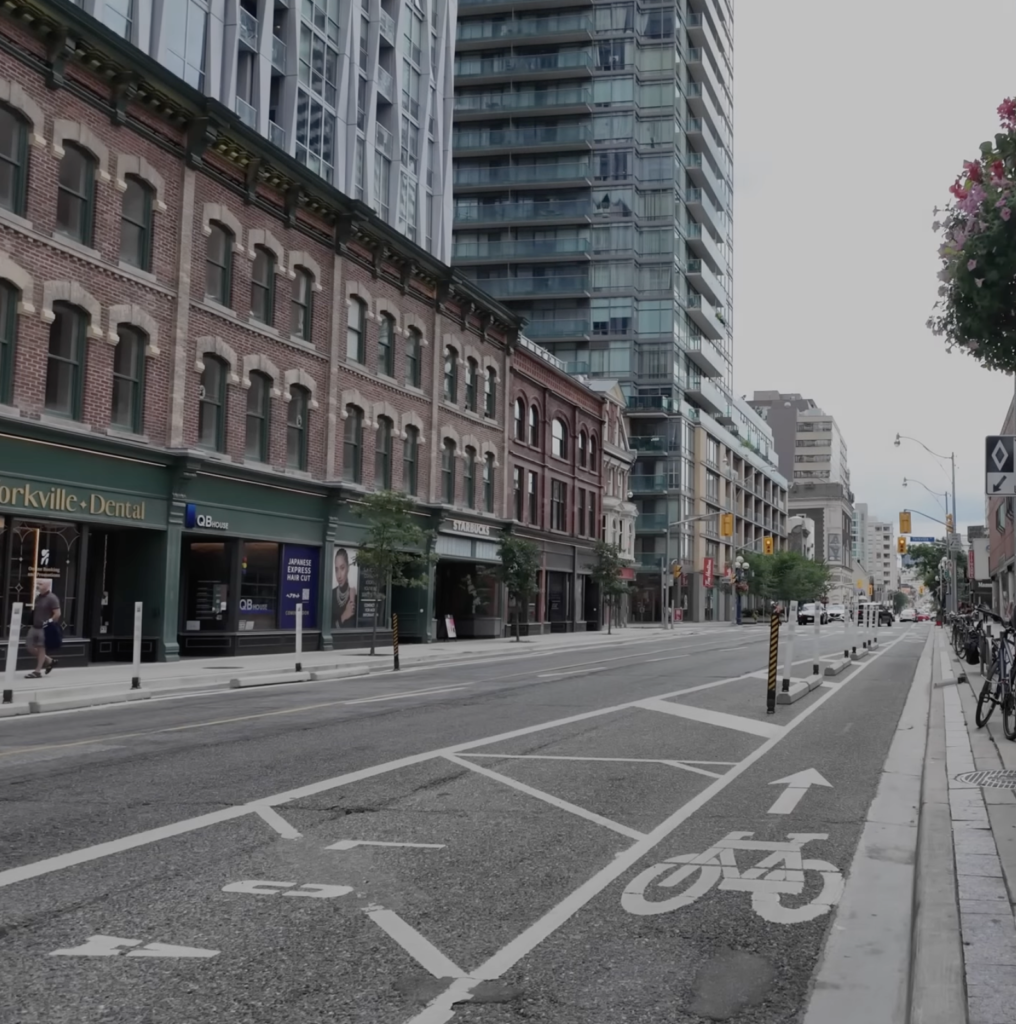
There was just one problem: it wasn’t true.
The whole thing was based on a mistake. A pretty big one, actually.
And in 1999, Guinness finally corrected the record, taking away Toronto’s bragging rights and leaving a lot of confused Canadians wondering what happened.
But here’s the thing: even without the world record, Yonge Street is still pretty remarkable. It’s been called “Main Street Ontario” for good reason. It’s a National Historic Site.
It shaped how an entire province developed. And it remains the backbone of Canada’s largest city.
This article tells the story of Yonge Street: how it got its world record title, why that title was wrong, and why this street matters way more than any Guinness record ever could.
The Street That Shaped a Province
Yonge Street didn’t start as some grand tourist attraction.
It began as a practical necessity in the 1790s when Ontario was barely settled and still called Upper Canada.
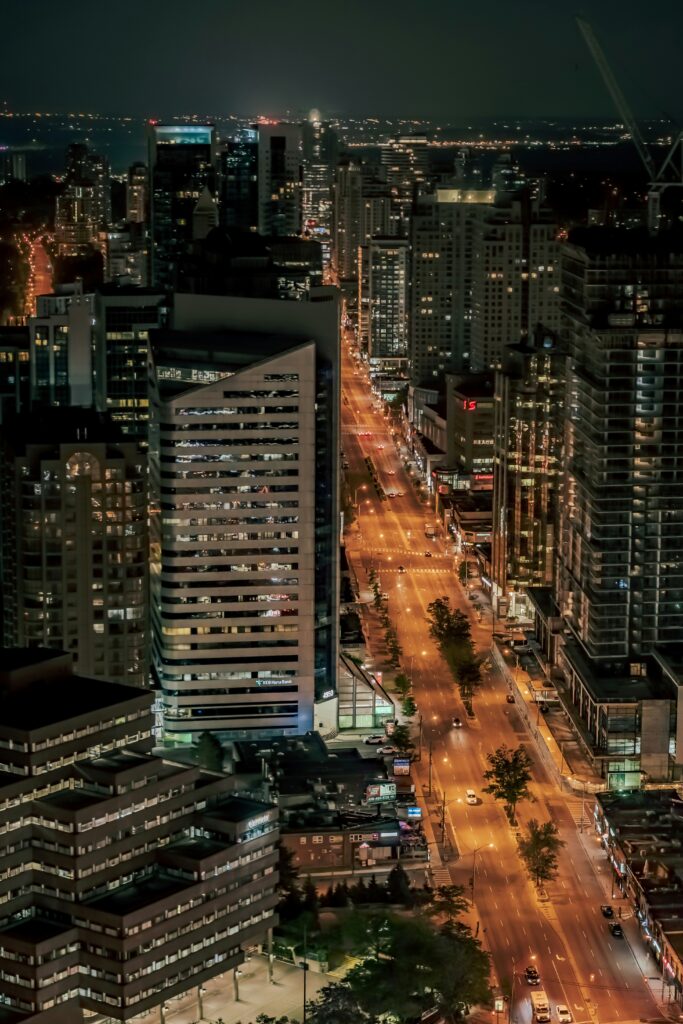
John Graves Simcoe, Ontario’s first colonial administrator, ordered the street built to connect the shores of Lake Ontario in Toronto to Lake Simcoe up north.
This created a crucial transportation route linking the provincial capital with northern Ontario and serving as a gateway to the Upper Great Lakes.
Simcoe named the street after his friend Sir George Yonge, a British politician. Not the most creative naming process, but it stuck.
The construction of Yonge Street has been designated as an Event of National Historic Significance in Canada, and for good reason.
This wasn’t just a road. It was the foundation for how western Upper Canada got planned and settled. Yonge Street formed the basis of the concession roads that still crisscross Ontario today.
In Toronto and York Region, Yonge Street became the north-south baseline. All street numbering east and west is calculated from Yonge. It’s literally the measuring stick for the entire city.
The World Record That Wasn’t
So how did Yonge Street end up in the Guinness Book of World Records as the longest street in the world?
Simple: someone confused Yonge Street with Highway 11.
Yonge Street was once the southernmost leg of provincial Highway 11, which does stretch way up into northern Ontario. If you measured Highway 11 all the way from Toronto to the Ontario-Minnesota border, you’d get roughly 1,800 kilometres. That’s the number that got reported.
The problem? Yonge Street and Highway 11 aren’t the same thing. They share some routing, sure, but they have different names. And to be the longest street in the world, the name needs to be consistent along the entire route.
Yonge Street itself (including the Bradford to Barrie extension) is only 86 kilometres long. Still impressive, but nowhere near 1,896 kilometres.
For years, nobody caught the mistake. The Guinness Book of World Records kept repeating it. Tourism materials promoted it. Everyone just accepted it as fact because, well, Guinness said so.
Finally, in 1999, Guinness corrected the record. Toronto lost its claim to fame, and a lot of people felt weirdly disappointed even though the street itself hadn’t changed at all.
What Yonge Street Actually Is?
Forget the world record. Let’s talk about what Yonge Street really is: the backbone of Toronto.
This is a commercial main thoroughfare, not some ceremonial boulevard. It’s where real life happens. Where people shop, work, eat, and move through the city every single day.
Downtown Yonge: The Heart of Toronto
The Downtown Yonge shopping and entertainment district is packed with landmarks that define Toronto.
The Eaton Centre is one of the largest shopping malls in Canada and sits right on Yonge. Millions of people pass through it every year.
Sankofa Square (formerly Yonge-Dundas Square) is Toronto’s version of Times Square. Giant screens, events, performances, and crowds of people fill this public space constantly.
St. Lawrence Market, one of the best food markets in the world, is just off Yonge Street.
The Hudson’s Bay Company flagship store anchors a major section of the street.
The Elgin and Winter Garden Theatre, a National Historic Site and the last operating double-decker theatre in the world, sits on Yonge.
Walk a bit further and you’re near the CN Tower, Toronto’s most iconic structure.
Where Toronto Celebrates?
Big parades and cultural events roll down Yonge Street because it’s the natural choice for anything major happening in the city.
The Pride Parade, one of the largest in North America, takes over Yonge every June. Hundreds of thousands of people pack the street to celebrate.
The Caribana Parade brings Caribbean culture and massive crowds to Yonge during summer.
The Santa Claus Parade, a Toronto tradition since 1905, marches down Yonge every November, kicking off the holiday season.
This is Toronto’s parade route. Its celebration street. Its main stage.
The Subway Spine
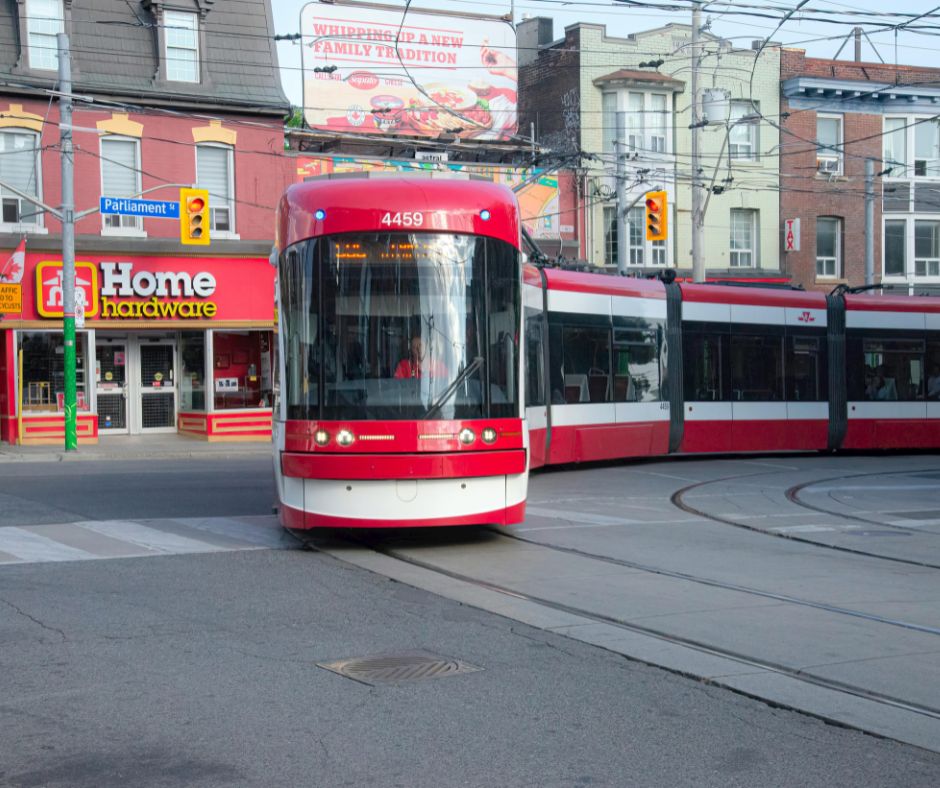
Yonge Street is also the spine of Toronto’s transit system.
The eastern branch of subway Line 1 Yonge-University serves nearly the entire length of Yonge Street in Toronto.
This line is the backbone of the TTC subway system, connecting downtown to the northern suburbs.
It links to commuter systems like Viva Blue BRT, making Yonge Street not just a physical route but a transit corridor that moves hundreds of thousands of people daily.
Without Yonge Street, Toronto’s transit system wouldn’t function the way it does.
The Weird Architecture Mix
Here’s something you’ll notice if you actually walk down Yonge Street: the architecture is all over the place.
Centuries of building styles are mashed next to each other. Victorian buildings sit beside modern glass towers. Heritage structures share blocks with bland 1970s concrete boxes. Nothing matches. There’s zero uniformity.
For a major downtown street in a big city, this is kind of bizarre. Most major urban cores have some level of architectural consistency or planning.
Not Yonge Street.
This chaotic look is the result of constant demolition and rebuilding over time. Toronto kept tearing things down and putting up new buildings without any overarching design vision. The result is a street that looks like a timeline of architectural trends stacked side by side.
Some people find it charming. Others think it’s messy. Either way, it’s distinctly Yonge Street.
No Longer a Provincial Highway
Here’s an interesting detail: no section of Yonge Street is currently marked as a provincial highway.
Provincial downgrading in the 1990s transferred responsibility for Yonge Street from the province to local municipalities. Toronto, York Region, and other communities now maintain their sections of Yonge.
This shift changed how the street is managed and funded, but it didn’t change Yonge’s importance to the region.
Why Yonge Street Still Matters?
So it’s not the longest street in the world. It never was.
But Yonge Street shaped how an entire province developed. It determined where people settled, where roads went, and how cities grew. Its construction is a National Historic Site because it fundamentally changed Upper Canada.
Today, it’s still the measuring stick for Toronto. It’s where the city celebrates, shops, and moves. It’s the route of the subway system. It’s home to landmarks that define what Toronto is.
Yonge Street is “Main Street Ontario” not because of some Guinness record, but because it actually functions as the main street. It’s where Toronto happens.
Final WOrds
For years, Toronto got to claim it had the longest street in the world. That claim was based on a mistake, and in 1999, it got corrected.
But honestly? Yonge Street doesn’t need a world record to be impressive.
It’s 86 kilometres of history, culture, commerce, and daily life. It’s a National Historic Site. It’s the backbone of Canada’s largest city. It’s where millions of people live their lives every single day.
The world record was a fun story while it lasted. But Yonge Street’s real legacy is way more interesting than any entry in the Guinness Book of World Records.
Next time you’re in Toronto, walk down Yonge Street. Start at the lake and head north. Look at the weird mix of buildings. Stop at the Eaton Centre. Stand in Sankofa Square. Ride the subway underneath.
You’re not walking the longest street in the world. But you are walking one of the most important streets in Canadian history.
And that’s a way better story anyway.
