The Real Cost Of Owning A Dog In Canada (First Year Vs. Ongoing)

You see those puppy eyes staring at you through the shelter window, and your heart melts.
You’re already imagining walks in the park, cozy couch cuddles, and having a best friend who’s always happy to see you.
But then reality hits. Dogs cost money. Like, a lot of money.
Most people think about the adoption fee or the price of buying a puppy, and that’s it.
They forget about food, vet bills, toys, training, grooming, and the thousand other expenses that pop up once you actually bring your furry friend home.
Then the bills start rolling in, and suddenly you’re wondering how something so small can be so expensive.
Here’s the truth: the first year of dog ownership is way more expensive than most people expect. And even after that initial year, the ongoing costs add up fast.
In this article, I will break down exactly what you’ll spend on a dog in Canada, from that exciting first year through the regular expenses you’ll deal with for the next decade or more.
No sugar coating, no surprises. Just the real numbers so you can actually prepare for what’s coming.
Because loving dogs is easy. Affording them? That takes planning.
The First Year: When Your Wallet Takes the Biggest Hit

Let’s be honest. The first year of dog ownership is financially brutal. You’re not just paying for the dog itself.
You’re buying everything they need to exist comfortably in your home, plus dealing with all the initial vet visits and unexpected costs that come with a new pet.
According to report from RateSupermarket.ca in 2018, most Canadians spend between $2,000 and $4,000 in that first year alone.
And honestly? That’s on the conservative side if anything goes wrong.
Here’s what you’re actually looking at.
Getting Your Dog: $300 to $2,500
This varies wildly depending on where your dog comes from.
Shelter adoption is usually the cheapest option, ranging from around $300 to $500.
Most shelters include initial vaccinations, microchipping, and spaying or neutering in that fee, which saves you hundreds right off the bat.
Rescue organizations typically charge similar amounts. Like shelters, they usually cover initial medical care, and many dogs from rescues are already house trained and have some basic obedience down.
Buying from a breeder is where costs skyrocket. Reputable breeders charge anywhere from $1,500 to $2,500 or more, depending on the breed.
Popular breeds like French Bulldogs or Golden Retrievers can cost even more.
And yes, you absolutely want a reputable breeder if you go this route. Puppy mills and backyard breeders might be cheaper, but you’ll pay for it later in vet bills when health problems show up.
Initial Supplies: $700 to $2,000+
Before your dog even comes home, you need stuff. A lot of stuff.
Here’s the breakdown based on actual Canadian pet store prices:
Food and water bowls ($5 to $25). Get stainless steel. They last forever and don’t hold bacteria like plastic does.
Collar, leash, and harness ($70 to $225 combined). Your dog needs identification immediately. A good leash runs $35 to $65, while collars and harnesses range from $35 to $160 depending on size and quality.
Crate ($135 to $560). Essential for house training and giving your dog a safe space. Size matters here. Large breed puppies need bigger crates, which cost more. Pro tip: don’t splurge on a fancy crate until your puppy learns not to destroy things.
Dog bed ($50 to $70). Your dog needs somewhere comfortable to sleep. Some dogs destroy their first bed within a week, so maybe start cheap until you know their chewing habits.
Toys and treats ($15 to $70). Dogs need mental stimulation. Chew toys, puzzle toys, balls, rope toys. You’ll be adding to this collection constantly. Teething puppies go through toys at a scary pace.
Poop bags and pee pads ($40 to $100). Poop bags run $5 to $15, but you’ll need multiple packs. Pee pads for puppies cost $35 to $85.
Cleaning supplies ($15 to $45). Stain and odor removal is essential. Accidents happen, especially with puppies. Enzyme cleaners are your best friend.
Pet hair vacuum ($285 to $755). If you want to keep your house clean, this isn’t optional. Dogs shed. A lot.
Grooming supplies ($140 to $220). Brushes ($10 to $70), shampoo and conditioner ($15 to $35), and a pet hair dryer ($115) if you’re doing grooming yourself.
Here’s something people don’t warn you about: you might have to buy some of these things twice. Puppies are destructive. They outgrow harnesses. They chew beds. They destroy toys. Budget for replacements, especially in the first year.
Veterinary Care First Year: $700 to $1,700

This is where costs surprise people the most.
Initial vaccinations and vet check ($200 to $400). Puppies need a series of shots. Adult dogs need boosters. This isn’t optional. Parvo, distemper, rabies… these diseases are serious.
Spaying or neutering ($300 to $800). If your dog isn’t already fixed, this is a must. Prices vary by size and sex. Females cost more than males because the surgery is more complex.
Annual vet exams ($200 to $500). Even in the first year, your dog needs regular checkups to catch health issues early.
And here’s the kicker: this assumes nothing goes wrong. No emergency vet visits. No unexpected illnesses. No eating things they shouldn’t.
Food: $600 to $1,200 Annually
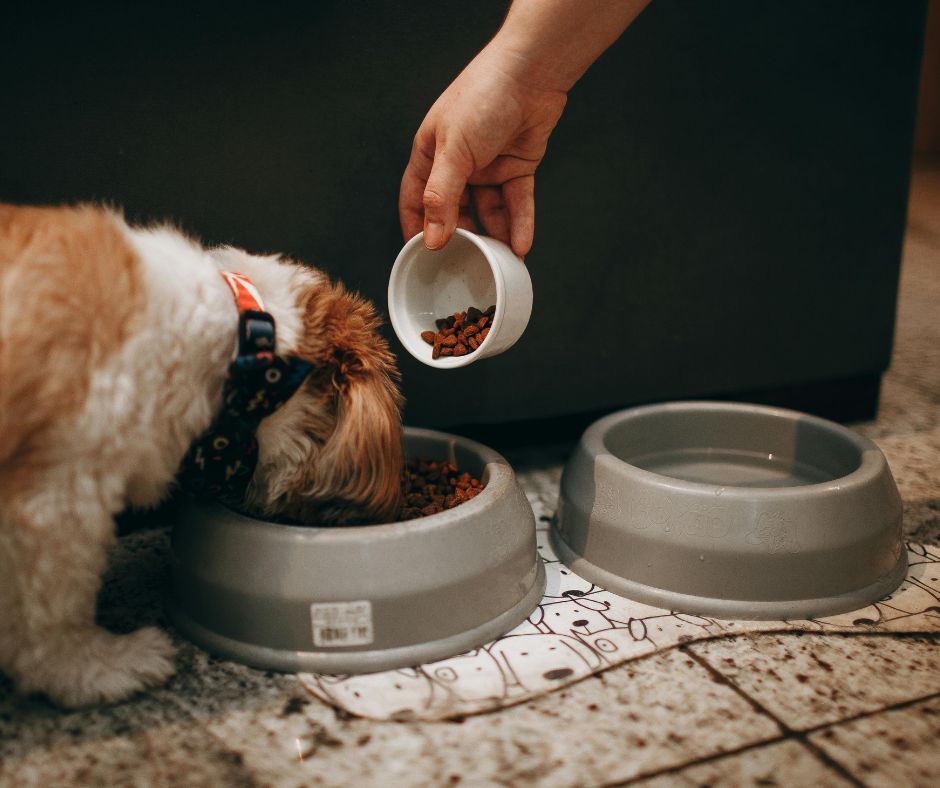
Quality matters. Cheap food causes health problems down the line, which means expensive vet bills later.
Budget at least $50 monthly for small dogs, $100+ for larger breeds. Buying in bulk can save you money over time, but the upfront cost is higher.
Training: $100 to $500+

Training isn’t optional if you want a well behaved dog.
Puppy classes run $100 to $300 for a basic course. Group classes are cheaper than private sessions but still give you solid foundations in obedience.
Private training costs more if you need one on one help with specific behavioral issues.
Training early prevents costly damage and behavioral problems down the road. A properly trained dog doesn’t destroy your furniture or develop aggression issues that require expensive intervention later.
Pet Insurance or Emergency Fund: $600 to $1,000 Yearly
This is where smart planning saves you thousands.
Pet insurance runs around $50 to $85 monthly depending on coverage and your dog’s breed. That’s $600 to $1,000 annually.
Or you can self insure by setting aside money in an emergency fund. Either way, you need something in place because emergency vet care costs between $500 and $5,000 depending on what’s wrong.
Dogs eat things they shouldn’t. They tear ACLs. They develop sudden illnesses. Having financial protection of at least $1,000 to $3,000 for your dog is smart.
First Year Total: $2,000 to $4,000+
Yeah. It’s a lot.
The low end assumes you adopt from a shelter, do your own grooming, have no major vet emergencies, and buy budget friendly supplies. The high end includes buying from a breeder, paying for professional grooming, dealing with unexpected vet bills, and choosing premium products.
Most Canadian dog owners land somewhere in that range, around $2,500 to $3,500 for year one.
Ongoing Costs: What You’ll Pay Every Year After
Good news: it gets cheaper after the first year. Bad news: it’s still expensive.
On average, Canadian pet owners spend around $3,000 per year to keep their dogs healthy, happy, and comfortable.
Annual Veterinary Care: $200 to $500
Yearly checkup is essential. Your vet needs to catch health issues early before they become expensive emergencies.
This doesn’t include vaccinations or preventative medications, which add another $150 to $300 annually for flea, tick, and heartworm prevention.
Food: $600 to $1,200 Annually
This stays consistent year after year. Larger breeds eat more, premium food costs more, but keeping your dog on quality nutrition prevents expensive health problems.
Grooming: $200 to $800 Annually
DIY grooming saves you money if you have a short haired breed and the right supplies.
Professional grooming runs $50 to $100 per visit. Breeds like Poodles, Shih Tzus, or Goldendoodles need grooming every 6 to 8 weeks. That’s 6 to 8 visits yearly, totaling $300 to $800.
Toys, Leashes, and Bedding: $100 to $300 As Needed
Toys get destroyed. Leashes wear out. Beds need replacing. This stuff adds up over time, but you’re not buying everything new like you did in year one.
Pet Insurance or Emergency Fund: $600 to $1,000 Yearly
If you keep it, which many owners do as their dogs age and health issues become more likely.
Annual Ongoing Total: $2,000 to $3,500+
Again, huge range depending on your dog’s size, breed, health, and your lifestyle.
A healthy small dog with minimal grooming needs might cost $2,000 yearly. A large breed with health issues and professional grooming needs can easily hit $3,000 to $4,000 or more.
The Hidden Costs Nobody Warns You About
Beyond the regular expenses, life happens. And when it does, these costs hit hard.
Emergency vet care for illness or injury often runs between $500 and $5,000. One accident or sudden illness can wipe out your savings if you’re not prepared.
Dental cleanings or procedures cost $500 to $1,200. Dental disease is common in dogs and causes serious health problems if ignored. Some dogs need cleanings annually once they hit middle age.
Professional training or obedience classes beyond the puppy stage if behavioral issues develop.
Boarding or dog sitting services when you travel. Expect $30 to $75 per day. A week long vacation can cost $200 to $500 just for dog care.
Special diets or prescription medications if your dog develops allergies, chronic conditions, or age related health issues.
Damage to your home is real. Puppies chew furniture. Dogs scratch doors. Some destroy entire couches. Budget for potential replacement costs.
These expenses are unpredictable. Setting aside an emergency fund or having a financing option ready makes these moments much easier to manage.
How to Budget for a Dog in Canada?
Smart planning makes dog ownership way less stressful financially.
Divide your pet budget into three categories:
1. Essential recurring costs like food, vet care, and grooming. These happen every month or year, so you can plan for them.
2. One time setup costs like adoption fees, vaccinations, spaying/neutering, and microchipping. These hit hard upfront but don’t repeat.
3. Emergency costs like surgery or treatment for unexpected health issues. You can’t predict these, but you can prepare by having savings or insurance.
Creating a monthly budget helps ensure your dog’s needs are always met without straining your household finances. Even setting aside $100 to $200 monthly for dog expenses keeps you ahead of the game.
Tips for Saving on Dog Ownership Costs
You can’t avoid all these costs, but you can be smart about them.
Adopt instead of buying from a breeder. Adoption often includes vaccinations, microchipping, and spaying/neutering, saving you hundreds upfront.
Buy food and supplies in bulk to reduce recurring costs. Stock up during sales and you’ll save significantly over the year.
Keep up with preventive care to avoid larger medical bills later. Regular vet visits, good nutrition, and preventative medications catch problems early when they’re cheaper to treat.
Train early to prevent costly damage or behavioral problems. A well trained dog doesn’t destroy your house or develop aggression issues requiring expensive intervention.
Compare insurance and financing options to stay financially prepared. Shop around for pet insurance when your dog is young and healthy. Premiums are lower and pre existing conditions won’t be excluded.
Learn basic grooming if you have a breed that allows it. YouTube can teach you a lot, saving you hundreds annually on professional grooming.
Simple planning helps reduce costs and ensures your dog receives consistent, quality care.
FINAL WORDS
Dogs are expensive. The first year hits hardest at $2,000 to $4,000, and ongoing annual costs average around $3,000.
Over a dog’s 10 to 15 year lifespan, you’re looking at $25,000 to $50,000+ in total costs. Factor in emergencies or chronic health conditions, and that number climbs even higher.
But here’s the thing: most dog owners will tell you it’s worth every penny. The companionship, the love, the joy they bring into your life… it’s priceless.
Just don’t go into it blind. Know what you’re signing up for financially. Budget for the first year chaos and the ongoing annual costs. Prepare for emergencies.
Because the worst thing you can do is get a dog you can’t afford and then have to rehome them or skip necessary vet care because money’s tight.
Dogs deserve owners who can provide for them. If you can swing the costs, the rewards are incredible. If you can’t right now, wait until you can.
Your future dog will be worth the wait.